A Gentleman in Moscow Review: Prose-driven perfection

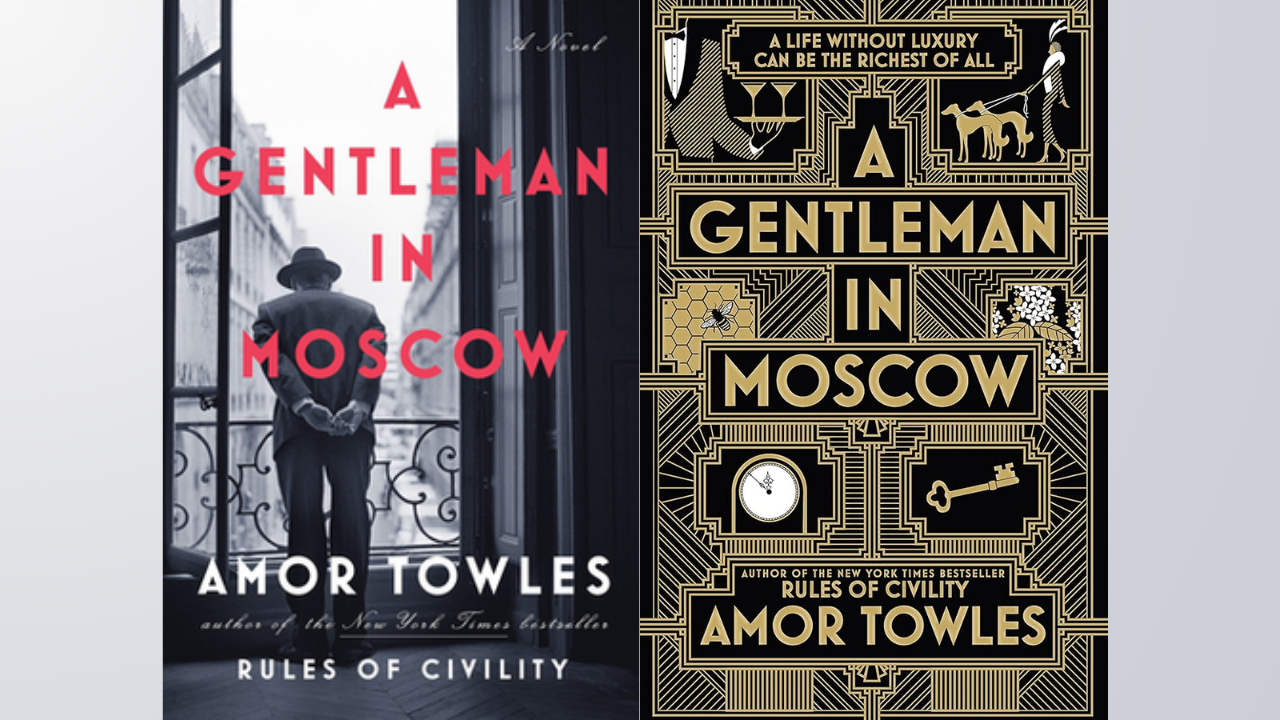
I started reading A Gentleman in Moscow much in part because my mom loves it. I'm one of those guys who doesn't have a favorite genre, unless that genre is "good books". The book I read before this was The Reappearance of Rachel Price and, after, were The Name of the Wind and Iron Widow, so... Yeah. I kinda just read random stuff. Anyway, this book's premise gave me Mr. Molesly vibes from Downton Abbey, and I say that as a huge fan of Mr. Molesly. While it ended up being closer to an optimistic Carson, this book still hit all the notes I wanted it to! Thanks so much for joining me today on Brighton's Bookshelf, and I hope you enjoy this article!
As always, I like to save the best for last, so I'll tackle the negatives first. For a book this slow-paced (in a good way), I was really confused by how abrupt the ending felt. While I did tear up a few times in this book, the ending didn't hit as hard for me as advertised due to the sort of mad dash to the end. I do tend to be a fan of drawn-out endings, though, so I will admit, this is more of a personal preference than a knock on Towles. It just left a magical experience on a bit of a hollow note, so I struggle to say it's a perfect novel for me.
While many books lack momentum and fail because of it, this book thrives as a slick story with very little forward momentum and a single confined setting. The book is practically a bunch of journal entries about Count Rostov's life, strung together over the decades to make a whole, and somehow feels more cohesive than so many books with much more condensed timelines.
The book follows a so-called "accordion structure", where the chapters are spaced in a chiasmus-like pattern. For example, the first chapter is a day after the inciting incident, the second is two days after, then five days, then eventually getting up to sixteen years after the event. Then the chronology flips, imitating the original structure but in reverse. This structure could cause a lot of issues for some stories, but since the book is locked to one location and is so inherently slice-of-life focused, the sudden, drastic jumps in time make the book better, not worse.
The plot may be segmented and meandering in a way, but that isn't a negative here. The book's chapters are a bunch of vignettes about the Count and his associates, and each one is just as brilliant as the last. My personal favorite tales include Anna's backstory, Nina's first appearance, the one where he realizes that he's just like phased-out wine, and literally anything related to Sofia. The whole story is carried by the fact that Towles' prose is absolutely magnificent, and some of the best I've ever read. While I can see someone arguing that the book is just hundreds of pages of prose porn, Count Rostov is such a charismatic, likable character that the book manages to break so many rules for making a good book. With some of the greatest quotes I've ever seen in a novel and such a unique description, this book becomes an introspective, reflective take on everything I love about stories like Downton Abbey.
The Brighton's Bookshelf Verdict
Brighton's Bookshelf Score - 9/10
Letter Score - S-
A Gentleman in Moscow is one of the most well-written, witty, and charming books ever written. It's inspired me profoundly as an auteur, and it is a book that feels like it should become one of those books that high schoolers read as "classic literature", yet it's also so much more. While I think the book didn't quite land the plane in the final act, I don't feel as if that's a common opinion, and everything that comes before is so captivating that it doesn't deeply diminish my perception of this need-to-read novel.
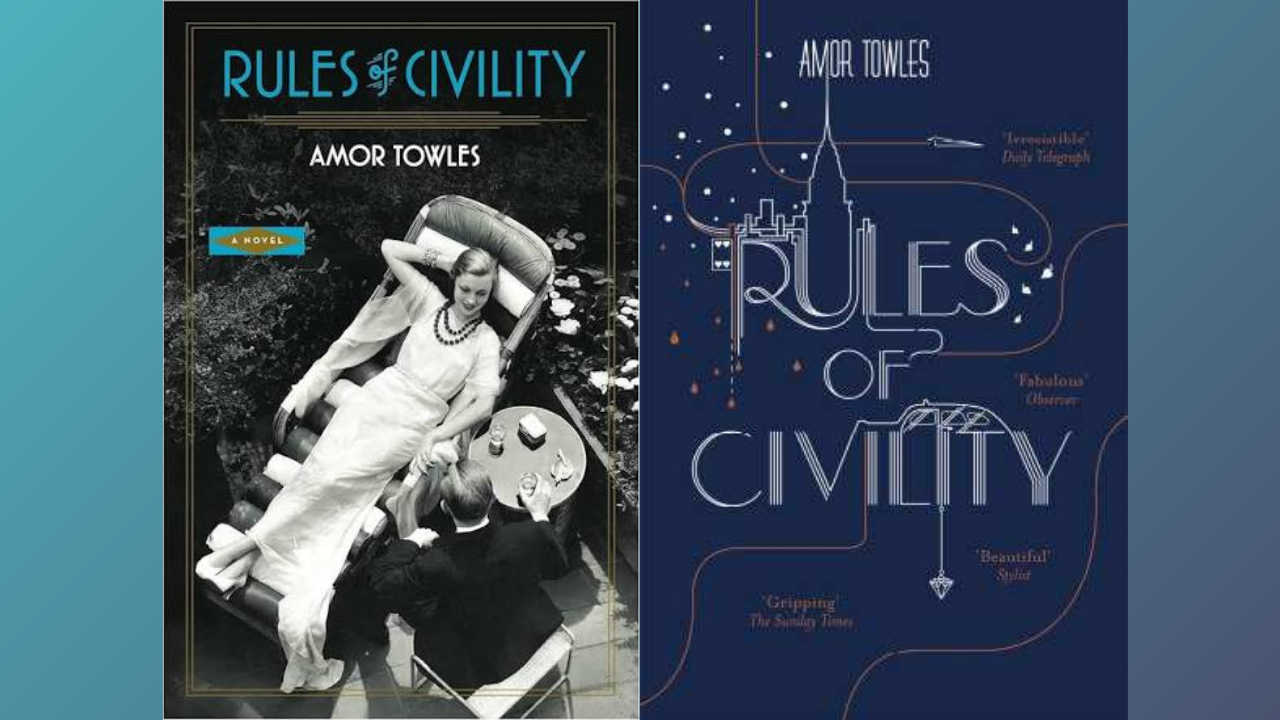
Interested in checking out some of my other Amor Towles book reviews? Or my literary fiction and historical fiction novel reviews? Check them out below!
 Author BioAuthor Bio
 Author Bio
Enjoy this review? Stay tuned for more articles from Brighton's Bookshelf! Enjoy video games, films, or music? Check out our sister sites, RPG Ranked & The Reel Ranker & Mr. Maestro, respectively!